


Gynecomastia: What’s Happening in Your Chest — and What You Can Do About It
Medically reviewed by Briana Smith on March 23, 2026.
What is Gynecomastia?
Gynecomastia, sometimes referred to as gyno, is a condition where males and those who underwent testosterone-dominant puberty develop excess glandular tissue in one or both breasts, affecting more than 35% of men at some point in their lives. It can result from hormonal imbalances, medications, underlying health issues, or substances like alcohol and steroids.
Most cases of gynecomastia are benign and in a few instances may resolve on their own, but it’s important to consult healthcare professionals for a proper diagnosis, as gyno can be a sign of more serious conditions, including breast cancer or liver failure.
Pseudogynecomastia vs. Gynecomastia
Not all enlarged breasts are due to gynecomastia; some men may experience pseudogynecomastia, which is caused by excess fat tissue rather than glandular tissue. Treatments for these conditions differ significantly, as we will explain further in this article.
Treatment: An Overview
Surgical and non-surgical treatment options are available for patients whose gynecomastia causes sufficient distress or unease that they wish to reduce or get rid of it. At the Gender Confirmation Center in San Francisco and Prosilio Care in Pasadena, we offer surgical removal of gynecomastia to cisgender male and other patients. You can request a free surgical consultation today if you are interested in getting a quote and talking about your surgical options with a board-certified professional.
Gynecomastia Symptoms: What to Look For
Physical Symptoms
Symptoms may take some time to notice as changes can be gradual. Stages of development could involve a tender lump beneath the nipple, followed by potential enlargement over time. Common symptoms can include:
- Swelling under the nipple
- The formation of a small lump under the nipple
- Sensitivity or tenderness in the area
- Breast growth (this may be uneven, with one breast being larger)
It’s important to see your health care provider for a diagnosis, including a physical exam, review of medical history, and blood tests or imaging. These tests are used to locate the source of the issue and determine whether the growth is from gynecomastia (glandular) or pseudogynecomastia (fat).
Psychological Reactions
Psychological Reactions to Gynecomastia
Gynecomastia typically has no physical health risks but can negatively affect mental well-being, leading to issues like social anxiety and low self-esteem. Patients report that their feelings often depend on the amount of breast tissue growth, nipple enlargement, and their personal feelings about their anatomy. It’s important to acknowledge that these feelings are valid. Speaking with a mental health professional, supportive friends, or other men in online forums who can relate to your experience can help.
Many of our gynecomastia patients have reported feelings of anxiety, insecurity, or uneasiness because of their breast growth and nipple enlargement. As a result, some men with gyno avoid mirrors, tight-fitting or even normal-fitting shirts, and playing sports to hide their breast growth. Conversely, others try exercise and weight training to masculinize the appearance of their chest. Depending on the amount of breast tissue growth you’ve experienced, increasing your pectoral muscle mass may actually make your gyno more pronounced.
For these reasons and others, surgical removal of gynecomastia is the ideal choice for many men. Gynecomastia surgery is the most common cosmetic procedure sought out by men, with about 20,000 surgeries performed per year. Even amongst adolescents, a study found that in 2019, 97% of minors who received “breast reduction surgery” covered by insurance were cisgender males, not transgender or non-binary youth. In other words, this is a fairly common procedure for both men and boys to treat the discomfort and psychological distress that gyno may cause.
Warning Signs––When to See a Doctor
Gynecomastia is typically non-cancerous but may be linked to serious health issues like breast cancer, which is rare in males. It’s important to recognize warning signs, as symptoms not typical of gynecomastia could indicate more serious conditions.
Contact a healthcare professional if you have any of the following:
- Nipple discharge (may be bloody or clear discharge)
- Redness, dimpling, or retraction of the nipple (also referred to as puckering or inversion)
- A hard or immovable lump in the breast
- Persistent pain (beyond mild tenderness)
- Swelling and rapid growth in one breast
- A lump in the armpit or noticeable changes in the lymph nodes
Knowing the signs and early detection can make a significant difference; contact your doctor immediately if you notice any irregularities.
What Causes Gynecomastia?
There are different causes for gynecomastia, but it is often caused by hormonal imbalances.
Common Causes of Gynecomastia May Include:
Gynecomastia is often connected to factors out of a patient’s control that cause hormonal fluctuations. Once a diagnosis is discovered, different treatment options can be explored.
Gynecomastia in Different Life Stages
Gynecomastia can develop at several stages in a male’s life due to hormone fluctuations.
- Infancy – from exposure to estrogen from the birth parent
- Adolescence (ages 12–16) – typically caused by hormone fluctuations
- Adulthood (ages 20–50) – from medications, lifestyle, or underlying conditions
- Older adult/senior (50+) – testosterone levels naturally decline with age
Underlying Medical Conditions
- Breast cancer
- Liver failure
- Thyroid or other endocrine disorders
- Lung Cancer
- Kidney Disease
Use of Certain Medications
- Anabolic steroids and androgens
- Hormonal therapies
- Certain anti-anxiety medications and antidepressants
- Medications used to treat ADHD that contain amphetamines (Adderall)
- Medications used to treat HIV
The Use of Certain Supplements
- Tribulus Terrestris
- Herbal supplements include tea tree oil, dong quai, and ginseng
- High levels of soy or certain nuts in the diet
The Use of Psychoactive Substances, Such As:
- Steroids
- Marijuana
- Alcohol
- Heroin
- Methadone
Gynecomastia Treatment Options: Surgical and Non-Surgical
The right treatment for your gynecomastia depends on the underlying cause, severity, and your personal goals. The GCC specializes in surgical treatment for gynecomastia and offers free consultations for patients considering surgery.
Non-Surgical Treatment Options
While surgery is an option for some, several treatments without surgery for gynecomastia may help, depending on the cause and severity:
- Waiting it Out: Gynecomastia can sometimes resolve on its own within 6–24 months. This is especially the case if the main cause is hormone fluctuation at the start of different life stages (newborns, puberty, etc.). If gynecomastia persists for longer than 24 months, medical intervention may be necessary to eliminate it.
- Lifestyle Changes: Weight gain can cause pseudogynecomastia or contribute to hormonal imbalances that lead to gynecomastia. Weight loss, exercise, and reducing certain substances may help shed weight, improve hormonal imbalance, and reduce symptoms. Please note that for some patients with more breast tissue growth, increasing pectoral muscle mass can make the gynecomastia more pronounced.
- Medication Changes: If medication(s) are the root cause, work with your healthcare provider to find alternative medications/treatments.
- Hormonal Therapy: In some circumstances, medications like tamoxifen or aromatase inhibitors may be prescribed to stabilize hormone imbalances.
Consult with a healthcare provider to determine the best steps in your unique situation.
Gynecomastia Surgery – Liposuction
Liposuction removes excess fat from specific body areas through small incisions and a tube called a cannula. It is minimally invasive, results in minimal to no visible scarring, and has a quick recovery time of 1-2 weeks. Please note that recovery can depend on how much liposuction we do and can still be painful-maybe just say “an overall quicker recovery time.”
Gynecomastia liposuction is ideal for individuals with increased skin elasticity, significant excess fat, and minimal glandular tissue. In some cases, it can be combined with mastectomy. However, it’s not an effective strategy for those with excess glandular tissue or sagging skin. Consult a board-certified plastic surgeon to determine if liposuction is right for you.
Gynecomastia Surgery – Mastectomy
A mastectomy is the removal of some or all glandular tissue in the chest. This is done by creating an incision in the chest, removing mammary gland tissue and fat, and tightening the skin over the pectoral muscle. The type of incision made depends on the patient’s autonomy and treatment plan. The following three incisions are common for gynecomastia mastectomies.
- Periareolar incision involves removing tissue through a small incision around the areola. It is ideal for patients with minimal glandular tissue who want to maintain nipple sensitivity.
- Keyhole incision involves removing tissue from a small incision in only a section of the areola. It is ideal for patients with no excess skin, minimal chest tissue, and high skin elasticity.
- Buttonhole incision involves making two incisions, one around the areola and one horizontally along the chest. Prime candidates will have a medium to small amount of tissue and want to maintain nipple sensitivity.
A mastectomy is a more invasive procedure and has a longer recovery time (3-6 weeks). But it can be a very effective treatment for some patients.
Frequently Asked Questions about Gynecomastia and Surgery
Does insurance cover gynecomastia surgery?
In most cases, insurance covers gynecomastia surgery as medically necessary care for adults with a proper diagnosis. The purpose of the diagnosis is to rule out that the development of breast tissue is reversible and that surgery is the only way to remove it.
How do I know if I have gynecomastia or just fat (pseudogynecomastia)?
An official diagnosis by a healthcare provider is needed to identify if the condition is gynecomastia or pseudogynecomastia. The methods may include a physical exam, blood tests, imaging (mammogram or ultrasound), or biopsy.
Can gynecomastia go away on its own? Is gyno permanent?
The answer is unique to each patient. Some cases of gynecomastia, especially those caused by an influx of estrogen during birth or puberty, can dissipate as the individual’s hormones naturally balance out with age.
However, this is not the case for everyone, as some lifestyle or medical intervention is needed. For example, if the cause is a certain medication, having your doctor find an alternate medication can help resolve gynecomastia. It is important to talk with your doctor about the best options for your situation.
Can exercises or building chest muscles make gyno go away?
Exercising and losing weight can help balance hormones and, in part, may benefit patients with gynecomastia. Additionally, shedding excess fat tissue can make the chest area smaller. In the case of gynecomastia, if the excess glandular tissue is the problem, it most likely will not go away with exercise alone.
How long does gynecomastia surgery take?
On average, it can take 1 to 3 hours to complete. The length of the surgery depends on factors such as the patient’s health and medical needs, the surgery method (liposuction or mastectomy), and how much tissue is being removed.
Both liposuction and mastectomy are outpatient procedures, although liposuction alone is typically faster and less invasive than a mastectomy. Liposuction is very effective for those with pseudogynecomastia or patients with true gynecomastia and minimal glandular tissue, as it targets excess fat. A mastectomy is more invasive with a longer recovery. However, it is ideal for the removal of significant mammary tissue.
Ready to Take the Next Step?
If you would like to undergo a surgical removal of your gynecomastia, you can request a free consultation with one of our experienced, board-certified mastectomy surgeons today. The consultation is your time to create a surgical plan (e.g., decide on a surgical technique that best meets your needs) and get all of your questions answered.
Gynecomastia Surgery Before and After
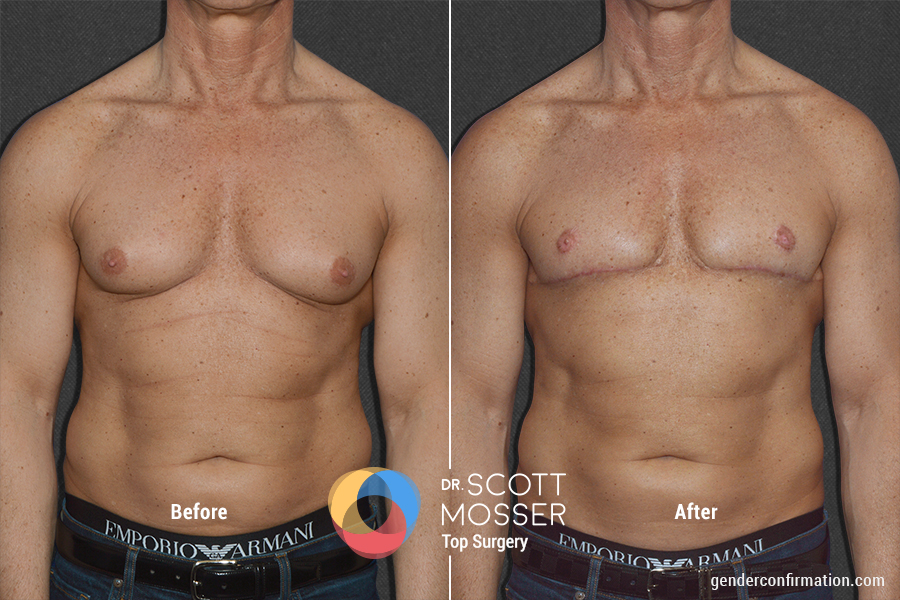


Click Here to Request the Next Steps to Schedule a Consult!
We offer complimentary virtual and in-person consultations with our board-certified surgeons. Click here to complete our consultation request form to learn more about the next steps in your patient journey.
BOOK CONSULTATION


Suite 1010, 450 Sutter St
San Francisco, CA 94108
Phone: (415) 780-1515
Fax: (628) 867-6510
GCC business hours are from 9:00 am to 4:00 pm
GCC phone hours are from 9:00 am to 4:00 pm
GCC phone hours are from 9:00 am to 4:00 pm
Board Certification
& Memberships


Copyright © 2023 GCC (Gender Confirmation Center). All Rights Reserved.